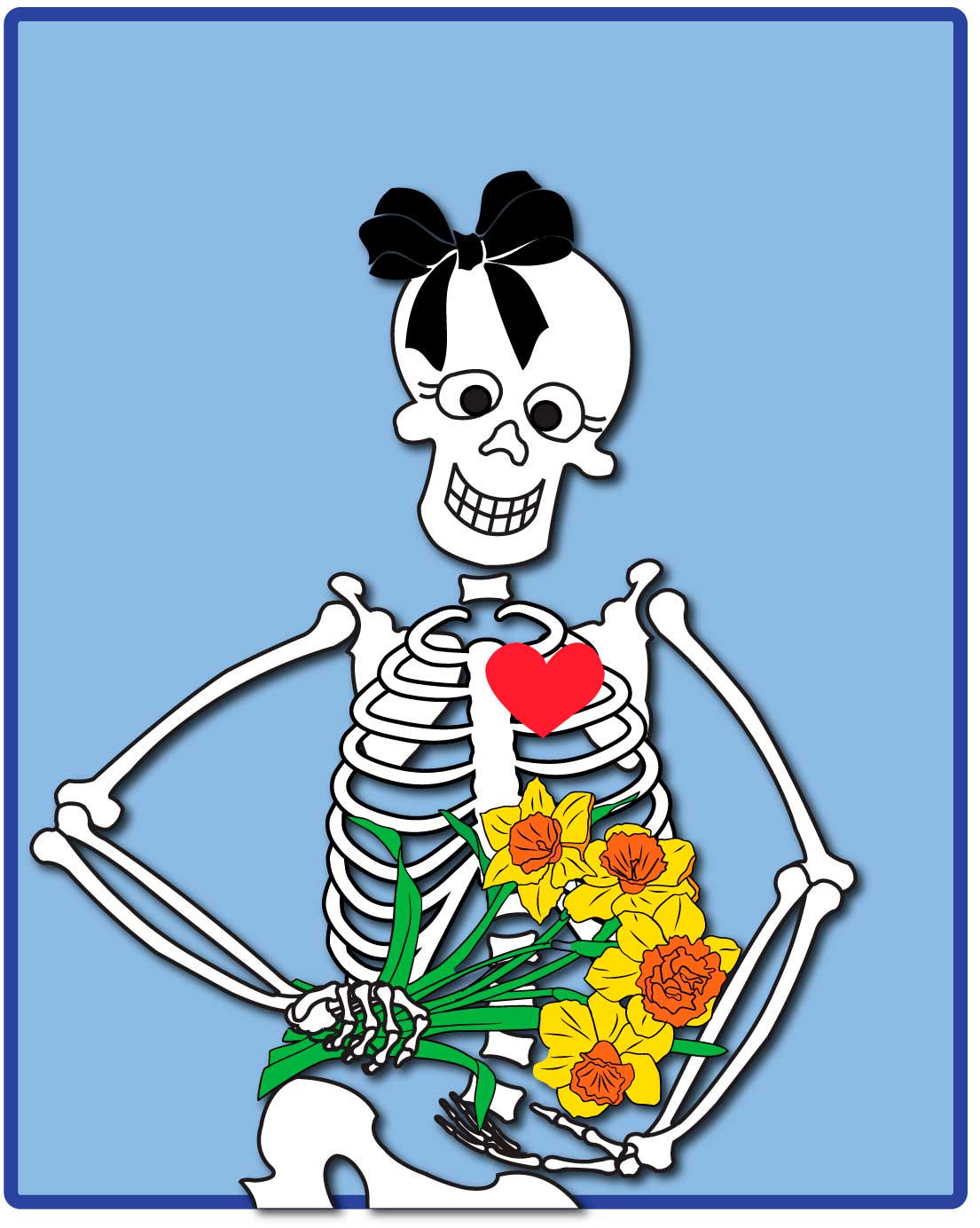
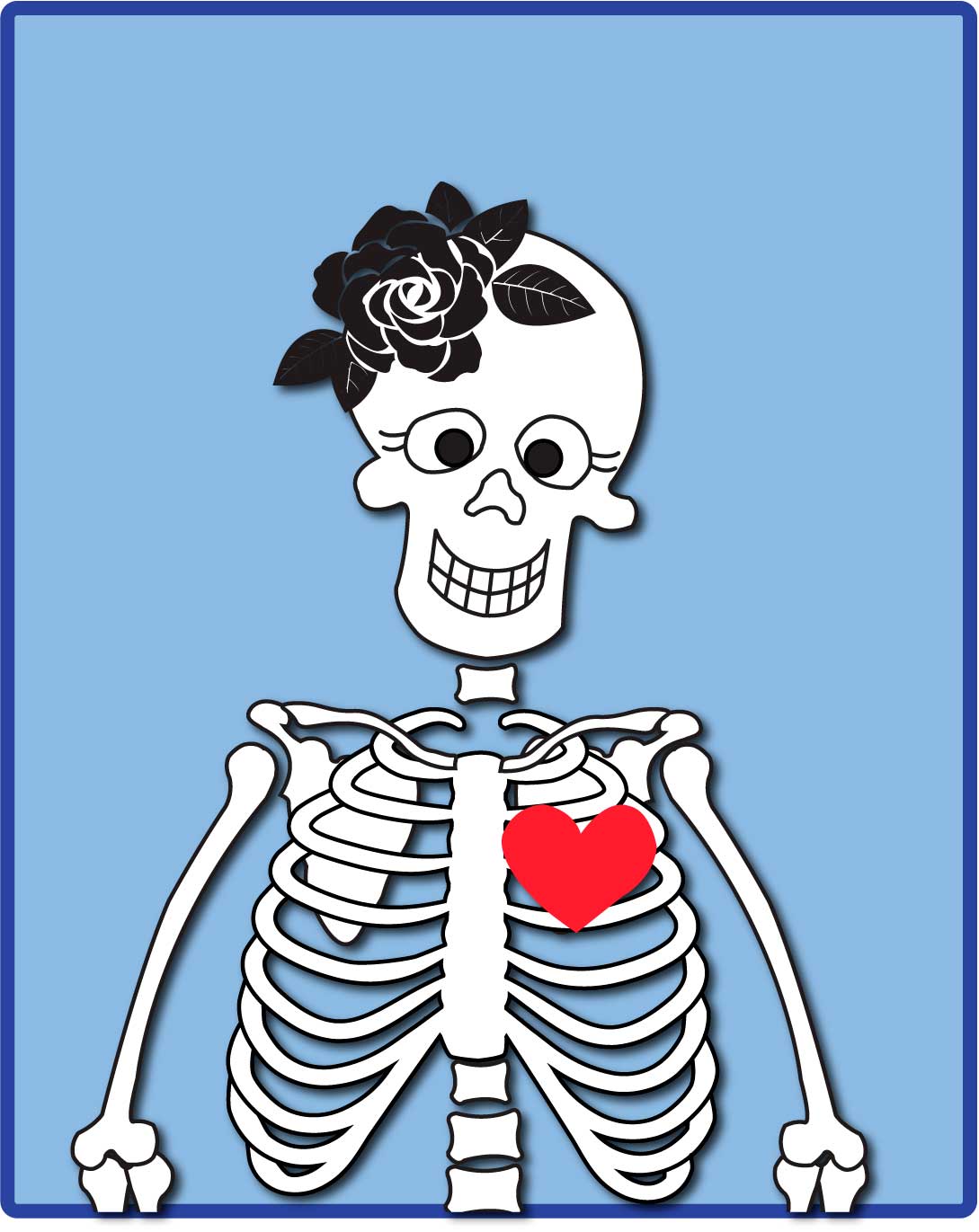
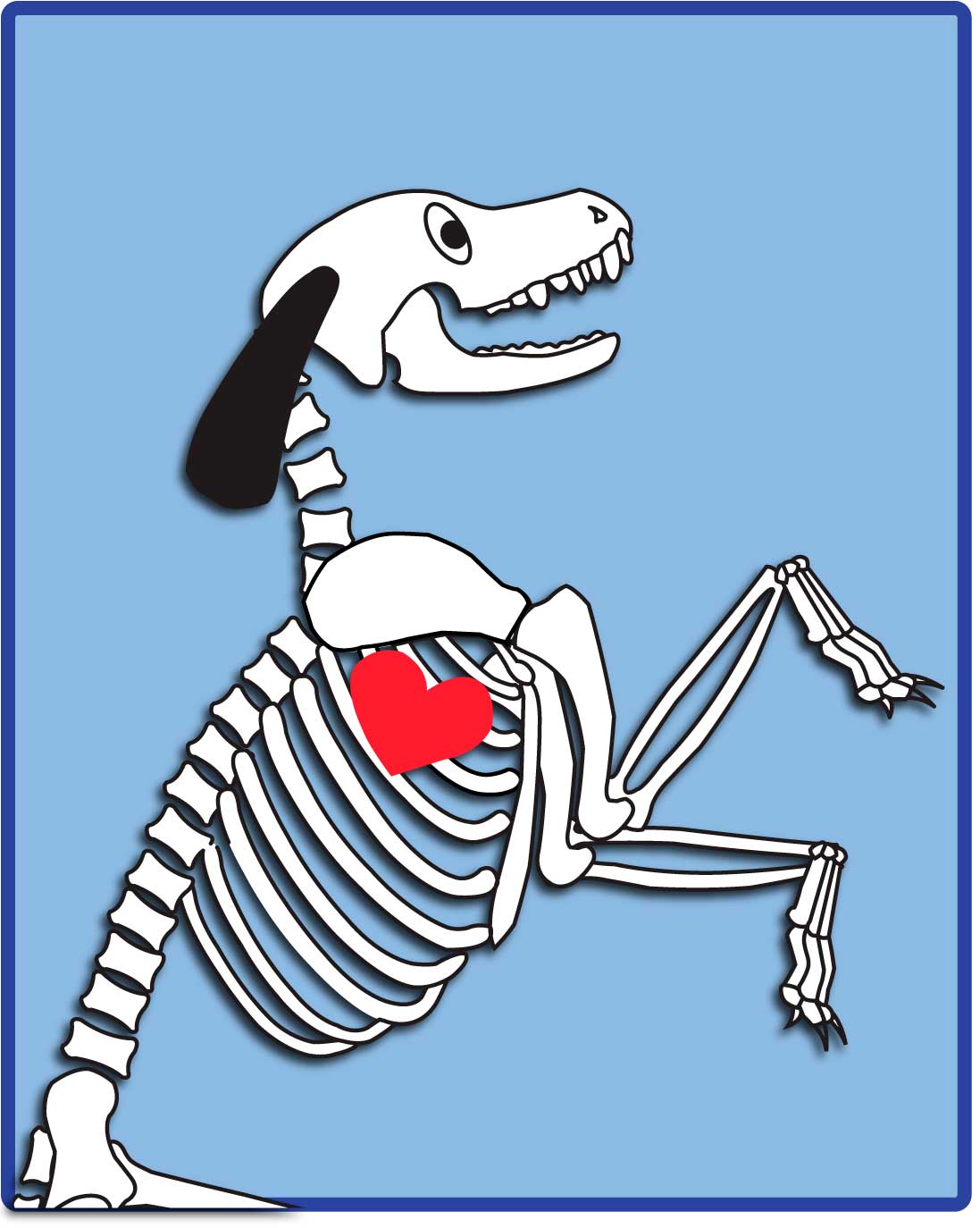
Understanding basic anatomy makes doctor visits, shots, or stethoscopes far less intimidating by replacing scary uncertainty with biological facts.
Accelerated Language and Communication
Milestone Mastery: Identifying basic body parts is a key language milestone usually reached between 18 and 30 months.
Precision Pain Reporting: Toddlers who know anatomy can precisely tell parents where they feel discomfort (e.g., “tummy” vs “knee”) rather than just crying.
Vocabulary Expansion: Early anatomical labeling serves as a foundation for broader literacy and language development
Enhanced Body Awareness and Motor Skills
Proprioception: Naming body parts directly improves spatial awareness, helping toddlers understand where their body is in relation to objects.
Coordination: Children with strong body awareness are less clumsy and adapt faster to complex movements like jumping or balancing.
Mind-Body Connection: Feeling a heart beat faster after running teaches toddlers to instantly link physical actions to internal biological responses.
Faster, Self-Directed Potty Training
Signal Recognition: Toddlers learn to connect the internal feeling of pressure with the physical need to use the bathroom.
Proactive Routine: Recognizing a full bladder reduces accidents because the child acts before it is too late.
Body Autonomy: The child relies on their own internal cues rather than adults constantly asking, “Do you need to go?”
Intuitive Eating and Hunger Regulation
Satiety Cues: Interoception helps toddlers feel when their stomach is genuinely full, preventing overeating.
Energy Awareness: Children learn to map the feeling of a grumbling tummy or low energy to the immediate need for fuel.
Emotional Regulation and Tantrum Reduction
Anger Mapping: Toddlers learn that physical sensations like a racing heart or tight muscles mean they are becoming angry or overwhelmed.
Early Intervention: Recognizing these internal warning signs early allows toddlers to seek comfort or take a break before throwing a tantrum.
Empathy Building: Understanding their own internal states helps children eventually recognize and label the physical feelings of others.
Improved Comfort and Self-Care
Temperature Control: Toddlers notice the internal chill of being cold or the sweat of being hot, prompting them to ask for a jacket or a sip of water.
Fatigue Identification: Tuning into heavy eyelids or a heavy body helps children accept bedtime by recognizing they are genuinely tired.